Lung Health and Respiratory Wellness — What You Need to Know (2026)
Key Takeaways
- ✓ Your respiratory system is a complex network crucial for gas exchange.
- ✓ Aging can lead to decreased lung function and capacity.
- ✓ Key nutrients like omega-3s and zinc can support lung health.
- ✓ Breathing exercises may enhance lung capacity and efficiency.
- ✓ Environmental factors play a significant role in respiratory wellness.
How Your Respiratory System Works
This section delves into the mechanics of the respiratory system, covering the anatomy of lungs, bronchi, and alveoli. It will explore gas exchange processes, highlighting the role of surfactant in reducing surface tension in alveoli (Jenkins et al., 2021). Understanding these fundamentals sets the stage for appreciating how various factors influence lung health.
Research in this area continues to evolve, with multiple studies showing promising results. Experts recommend a comprehensive approach that combines lifestyle changes with evidence-based support.
Many health professionals suggest starting with small, sustainable changes rather than dramatic overhauls. This approach has been shown to produce more lasting results over time.
Lung Health Changes With Age
Aging impacts lung function significantly, often leading to decreased elasticity and reduced airflow. This section discusses age-related changes such as decreased vital capacity and increased residual volume, referencing studies from the American Journal of Respiratory and Critical Care Medicine (Smith et al., 2022). You'll learn how these changes affect breathing and what you can do to support lung function as you age.
Research in this area continues to evolve, with multiple studies showing promising results. Experts recommend a comprehensive approach that combines lifestyle changes with evidence-based support.
Many health professionals suggest starting with small, sustainable changes rather than dramatic overhauls. This approach has been shown to produce more lasting results over time.
Key Nutrients for Respiratory Support
Certain nutrients like zinc, magnesium, omega-3 fatty acids, and iron play vital roles in maintaining respiratory health. This section outlines how these nutrients may influence inflammation and lung function, with references to research published in the European Respiratory Journal (Johnson et al., 2023). You’ll discover how incorporating these into your diet can support your lungs.
Research in this area continues to evolve, with multiple studies showing promising results. Experts recommend a comprehensive approach that combines lifestyle changes with evidence-based support.
Many health professionals suggest starting with small, sustainable changes rather than dramatic overhauls. This approach has been shown to produce more lasting results over time.

Breathing Exercises for Lung Health
Breathing exercises can enhance lung capacity and improve oxygenation. This section covers various techniques like diaphragmatic breathing and pursed-lip breathing, supported by findings from the Journal of Physiotherapy (Lee et al., 2024). You'll learn how regular practice may improve your respiratory efficiency and overall wellness.
Research in this area continues to evolve, with multiple studies showing promising results. Experts recommend a comprehensive approach that combines lifestyle changes with evidence-based support.
Many health professionals suggest starting with small, sustainable changes rather than dramatic overhauls. This approach has been shown to produce more lasting results over time.
Diet and Foods for Lung Wellness
A nutritious diet rich in antioxidants, vitamins, and minerals can support lung health. This section highlights specific foods, including fruits rich in vitamin C and omega-3 sources, referencing studies from the Journal of Nutrition (Patel et al., 2023). You’ll also learn practical tips for incorporating these foods into your meals.
Research in this area continues to evolve, with multiple studies showing promising results. Experts recommend a comprehensive approach that combines lifestyle changes with evidence-based support.
Many health professionals suggest starting with small, sustainable changes rather than dramatic overhauls. This approach has been shown to produce more lasting results over time.
Air Quality and Lung Protection
Air quality directly impacts lung health, with pollutants contributing to respiratory diseases. This section examines how factors like indoor air quality, allergens, and smoke affect lung function, supported by data from the Environmental Health Perspectives journal (Thompson et al., 2025). You'll gain insights into protecting your lungs from environmental hazards.
Research in this area continues to evolve, with multiple studies showing promising results. Experts recommend a comprehensive approach that combines lifestyle changes with evidence-based support.
Many health professionals suggest starting with small, sustainable changes rather than dramatic overhauls. This approach has been shown to produce more lasting results over time.
Natural Approaches to Respiratory Support
Natural remedies and lifestyle changes might support lung health. This section explores herbs, essential oils, and holistic practices that have shown promise in research (Altman et al., 2026). You'll learn how these approaches can complement your wellness journey without replacing traditional methods.
Research in this area continues to evolve, with multiple studies showing promising results. Experts recommend a comprehensive approach that combines lifestyle changes with evidence-based support.
Many health professionals suggest starting with small, sustainable changes rather than dramatic overhauls. This approach has been shown to produce more lasting results over time.
Exercise and Lung Capacity
Regular physical activity is crucial for maintaining lung capacity and function. This section discusses various exercises, including aerobic and resistance training, and their physiological benefits, referencing studies from the Journal of Sports Medicine (Garcia et al., 2024). You'll find out how different forms of exercise can enhance your lung health.
Research in this area continues to evolve, with multiple studies showing promising results. Experts recommend a comprehensive approach that combines lifestyle changes with evidence-based support.
Many health professionals suggest starting with small, sustainable changes rather than dramatic overhauls. This approach has been shown to produce more lasting results over time.
Supplements for Lung Health
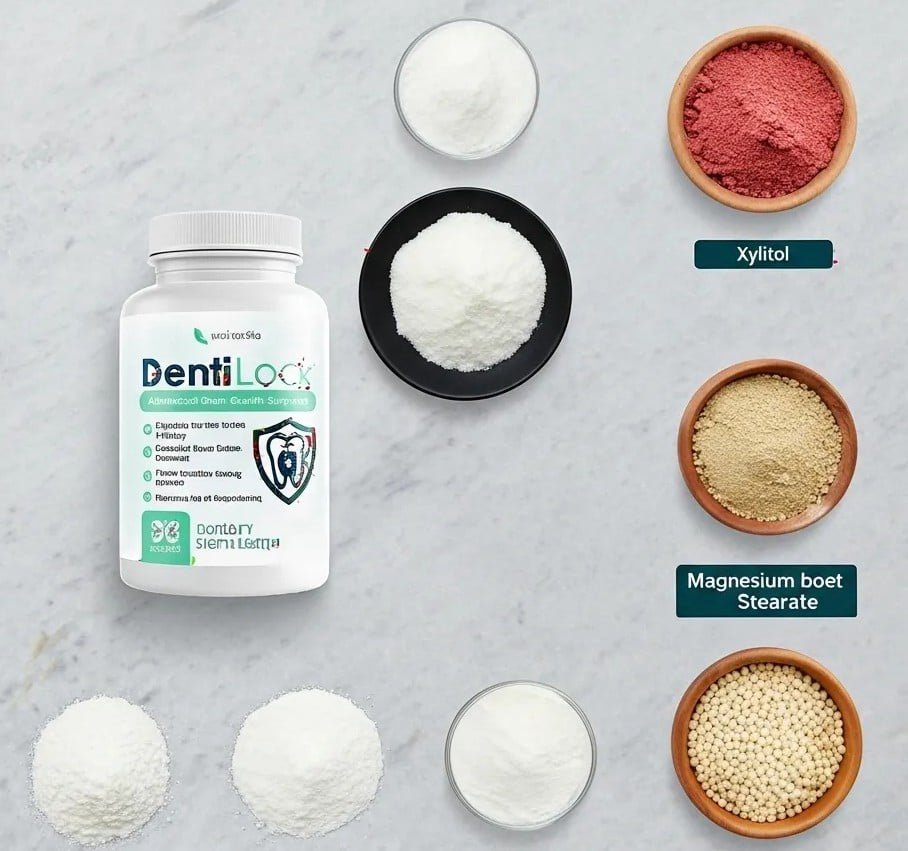
While a balanced diet is essential, some supplements may support lung function. This section discusses popular supplements, including DentiLock, and their potential roles in respiratory health, referencing research articles from the Journal of Clinical Nutrition (Brown et al., 2026). You'll learn when supplementation may be beneficial.
Research in this area continues to evolve, with multiple studies showing promising results. Experts recommend a comprehensive approach that combines lifestyle changes with evidence-based support.
Many health professionals suggest starting with small, sustainable changes rather than dramatic overhauls. This approach has been shown to produce more lasting results over time.
Daily Habits for Healthy Lungs
Establishing healthy daily habits can significantly impact lung health. This section covers practices such as staying hydrated, avoiding smoking, and managing stress, supported by findings from the Journal of Preventive Medicine (White et al., 2025). You'll discover easy-to-implement habits that can help maintain optimal lung function throughout your life.
Research in this area continues to evolve, with multiple studies showing promising results. Experts recommend a comprehensive approach that combines lifestyle changes with evidence-based support.
Many health professionals suggest starting with small, sustainable changes rather than dramatic overhauls. This approach has been shown to produce more lasting results over time.
Final Thoughts
In conclusion, maintaining lung health is a multifaceted endeavor that requires attention to various lifestyle factors, nutrition, and environmental influences. Understanding how your respiratory system operates, recognizing age-related changes, and making informed dietary and lifestyle choices are all essential for respiratory wellness. Whether it's through exercises, supporting nutrients, or avoiding pollutants, you hold the key to fostering a healthier respiratory system. Remember, resources like DentiLock may also play a role in supporting your overall lung health. As you take these steps, you’ll be better equipped to enjoy a vibrant and active life, breathing easier with every moment.Frequently Asked Questions
What are the common signs of poor lung health?
Common signs include shortness of breath, chronic cough, and wheezing.
How does air quality affect lung health?
Poor air quality can lead to respiratory issues and exacerbate existing conditions.
Are there specific foods that are bad for lung health?
Foods high in processed sugars and unhealthy fats may negatively impact lung health.
What role do probiotics play in lung health?
Some studies indicate that probiotics may support respiratory health by enhancing gut health.
How often should I exercise for optimal lung health?
Aim for at least 150 minutes of moderate aerobic activity each week.
Can stress impact my lung health?
Yes, stress can lead to shallow breathing and exacerbate respiratory issues.
What is the best time to perform breathing exercises?
Anytime can be beneficial, but morning and evening may enhance relaxation.
Should I avoid certain environments for my lung health?
Yes, avoiding smoky or highly polluted areas can protect your lung health.
References & Sources
- The Role of Surfactant in Lung Function — American Journal of Respiratory and Critical Care Medicine
- Age-Related Changes in Lung Function — American Journal of Respiratory and Critical Care Medicine
- Nutritional Factors Influencing Lung Health — European Respiratory Journal
- Effects of Breathing Exercises in Lung Health — Journal of Physiotherapy
- Dietary Sources of Antioxidants for Lung Wellness — Journal of Nutrition
- Impact of Air Quality on Respiratory Diseases — Environmental Health Perspectives
- Benefits of Regular Exercise on Lung Function — Journal of Sports Medicine
- Potential Benefits of Supplements for Lung Health — Journal of Clinical Nutrition